
Solenoid valves are essential components in modern automation systems because they provide accurate, responsive, and dependable control over fluid and gas movement. Their electromagnetic operating mechanisms allow equipment to perform important functions with minimal manual intervention. From manufacturing operations to automated processing equipment, these valves support consistent performance and improved operational coordination. Their compact construction, versatile configurations, and efficient switching capabilities make them valuable solutions for industries seeking reliable automation and better productivity.
Understand The Working Mechanism Of Solenoid Valves
Solenoid valves operate through electromagnetic force generated by an electrical coil. When electrical energy activates the coil, a magnetic field moves an internal plunger or armature, changing the valve’s flow passage. This mechanism allows automated equipment to control fluid movement through electrical signals.
Important operating components include:
- Electromagnetic coil: Generates the magnetic field required for valve activation.
- Plunger assembly: Moves in response to electromagnetic force.
- Valve body: Provides internal passages for controlled fluid movement.
- Return spring: Helps restore the mechanism to its default position.
- Sealing elements: Support effective flow control and dependable closure.
Explore Different Solenoid Valve Configurations
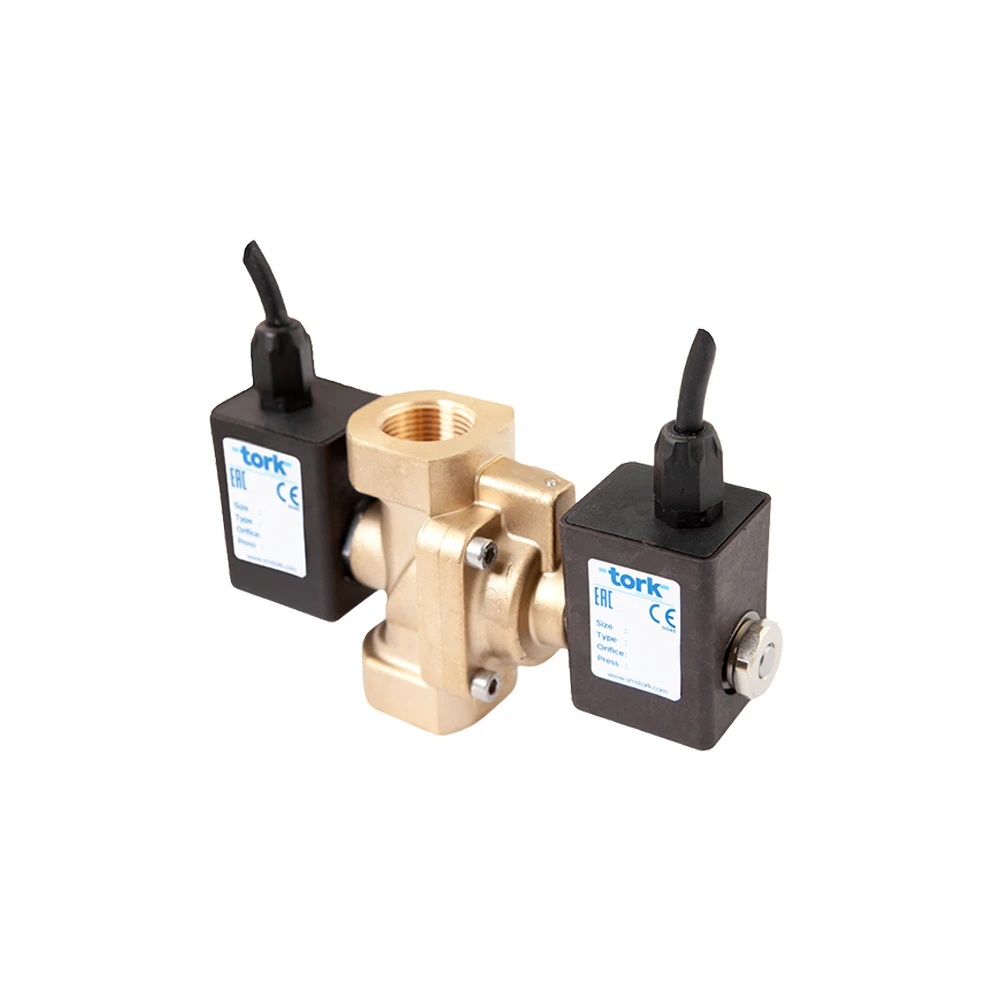
Different solenoid valve designs provide specific operating capabilities to support various automation requirements. Understanding their configurations helps industries identify suitable mechanisms for controlling airflow, liquid movement, and other industrial processes.
Common configurations offer several advantages:
- Direct-acting valves: Provide direct electromagnetic control of the internal sealing mechanism.
- Pilot-operated valves: Use system pressure to assist the opening and closing process.
- Normally closed valves: Keep the flow passage closed when electrical power is disconnected.
- Normally open valves: Maintain an open flow passage in their de-energized condition.
- Multi-way valves: Direct fluid or air through multiple passages for versatile control operations.
Improve Automation And Production Efficiency
Efficient solenoid valve mechanisms contribute to smoother industrial workflows by supporting quick switching and coordinated equipment operation. Their electrical control capabilities make integration with automated machinery more convenient and help maintain consistent production activities.
Their industrial benefits include:
- Faster response: Support prompt activation during automated operations.
- Accurate control: Provide dependable switching for different equipment functions.
- Reduced manual operation: Enable electrical signals to control flow automatically.
- Compact installation: Fit conveniently into various equipment configurations.
- Consistent performance: Support repeatable operation across production cycles.
Discover Applications Across Industrial Sectors
Solenoid valves offer flexible solutions for different industries because they can regulate air, water, oil, and compatible gases. Their adaptability supports numerous processes that depend on accurate fluid management and automated equipment movement.
Important application areas include:
- Manufacturing equipment: Control pneumatic cylinders and automated machine movements.
- Packaging machinery: Support filling, sealing, sorting, and dispensing operations.
- Water management: Regulate water supply through automated distribution systems.
- Automotive systems: Assist fluid circulation and pneumatic control functions.
- Process automation: Manage fluid movement within controlled industrial operations.
Choose Suitable Mechanisms For Reliable Performance
Selecting an appropriate solenoid valve involves understanding operating conditions, electrical requirements, and flow characteristics. Learning about different configurations and their working principles helps industries identify mechanisms that match their equipment requirements.
Useful selection considerations include:
- Operating pressure: Match pressure requirements with the selected valve specifications.
- Flow capacity: Consider the required fluid movement and passage dimensions.
- Electrical ratings: Verify voltage and power compatibility.
- Material selection: Choose suitable construction materials for the operating medium.
- Response requirements: Consider switching frequency and operational speed.
For additional technical knowledge, exploring https://www.vincervalve.com/solenoid-valve-types/ can help readers understand available configurations and their functional characteristics.
Maintain Consistent Performance Through Proper Care
Regular inspection and appropriate maintenance help solenoid valves deliver dependable operation throughout their service life. Maintaining clean operating conditions and checking essential components supports efficient functionality.
Helpful maintenance practices include:
- Inspect electrical connections for secure installation.
- Maintain clean fluid passages and suitable filtration.
- Examine seals and internal components regularly.
- Monitor switching performance during routine operation.
- Follow recommended maintenance schedules.
Efficient solenoid valve mechanisms strengthen automation by combining electromagnetic precision, flexible configurations, and dependable flow management. Their practical advantages support productive operations, improved coordination, and consistent industrial performance.
