Posts for Business Category

Efficient Solenoid Valve Mechanisms Strengthen Modern Automation Solutions

Business - Aleksey Volos - November 2, 2026

Solenoid valves are essential components in modern automation systems because they provide accurate, responsive, and dependable control over fluid and gas movement. Their electromagnetic operating mechanisms allow equipment to perform important functions with minimal manual intervention. From manufacturing operations to automated processing equipment, these valves support consistent performance and improved operational coordination. Their compact construction, versatile configurations, and efficient switching capabilities make them valuable solutions for industries seeking reliable automation and better productivity.

Understand The Working Mechanism Of Solenoid Valves

Solenoid valves operate through electromagnetic force generated by an electrical coil. When electrical energy activates the coil, a magnetic field moves an internal plunger or armature, changing the valve’s flow passage. This mechanism allows automated equipment to control fluid movement through electrical signals.

Important operating components include:

  • Electromagnetic coil: Generates the magnetic field required for valve activation.
  • Plunger assembly: Moves in response to electromagnetic force.
  • Valve body: Provides internal passages for controlled fluid movement.
  • Return spring: Helps restore the mechanism to its default position.
  • Sealing elements: Support effective flow control and dependable closure.

Explore Different Solenoid Valve Configurations
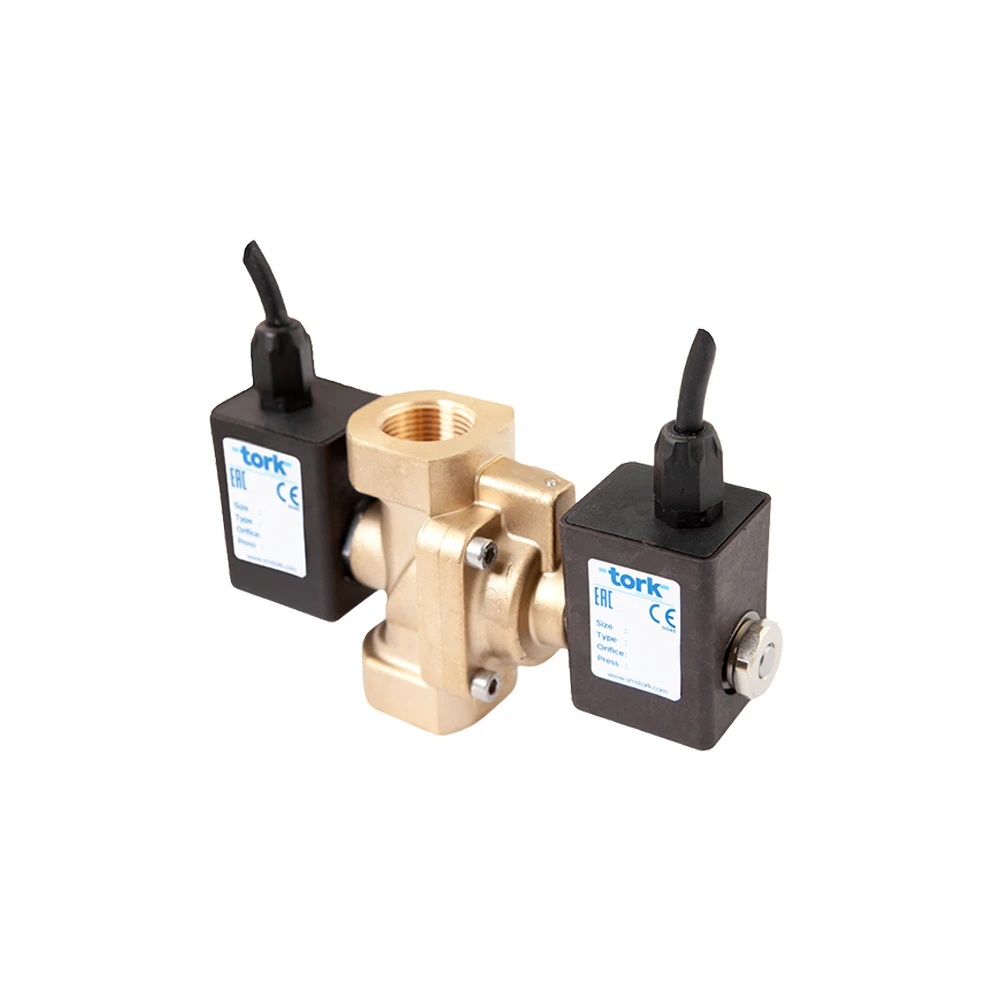
Pneumatic Valve Technology

Different solenoid valve designs provide specific operating capabilities to support various automation requirements. Understanding their configurations helps industries identify suitable mechanisms for controlling airflow, liquid movement, and other industrial processes.

Common configurations offer several advantages:

  • Direct-acting valves: Provide direct electromagnetic control of the internal sealing mechanism.
  • Pilot-operated valves: Use system pressure to assist the opening and closing process.
  • Normally closed valves: Keep the flow passage closed when electrical power is disconnected.
  • Normally open valves: Maintain an open flow passage in their de-energized condition.
  • Multi-way valves: Direct fluid or air through multiple passages for versatile control operations.

Improve Automation And Production Efficiency

Efficient solenoid valve mechanisms contribute to smoother industrial workflows by supporting quick switching and coordinated equipment operation. Their electrical control capabilities make integration with automated machinery more convenient and help maintain consistent production activities.

Their industrial benefits include:

  • Faster response: Support prompt activation during automated operations.
  • Accurate control: Provide dependable switching for different equipment functions.
  • Reduced manual operation: Enable electrical signals to control flow automatically.
  • Compact installation: Fit conveniently into various equipment configurations.
  • Consistent performance: Support repeatable operation across production cycles.

Discover Applications Across Industrial Sectors

Solenoid valves offer flexible solutions for different industries because they can regulate air, water, oil, and compatible gases. Their adaptability supports numerous processes that depend on accurate fluid management and automated equipment movement.

Important application areas include:

  • Manufacturing equipment: Control pneumatic cylinders and automated machine movements.
  • Packaging machinery: Support filling, sealing, sorting, and dispensing operations.
  • Water management: Regulate water supply through automated distribution systems.
  • Automotive systems: Assist fluid circulation and pneumatic control functions.
  • Process automation: Manage fluid movement within controlled industrial operations.

Choose Suitable Mechanisms For Reliable Performance

Selecting an appropriate solenoid valve involves understanding operating conditions, electrical requirements, and flow characteristics. Learning about different configurations and their working principles helps industries identify mechanisms that match their equipment requirements.

Useful selection considerations include:

  • Operating pressure: Match pressure requirements with the selected valve specifications.
  • Flow capacity: Consider the required fluid movement and passage dimensions.
  • Electrical ratings: Verify voltage and power compatibility.
  • Material selection: Choose suitable construction materials for the operating medium.
  • Response requirements: Consider switching frequency and operational speed.

For additional technical knowledge, exploring https://www.vincervalve.com/solenoid-valve-types/ can help readers understand available configurations and their functional characteristics.

Maintain Consistent Performance Through Proper Care

Regular inspection and appropriate maintenance help solenoid valves deliver dependable operation throughout their service life. Maintaining clean operating conditions and checking essential components supports efficient functionality.

Helpful maintenance practices include:

  • Inspect electrical connections for secure installation.
  • Maintain clean fluid passages and suitable filtration.
  • Examine seals and internal components regularly.
  • Monitor switching performance during routine operation.
  • Follow recommended maintenance schedules.

Efficient solenoid valve mechanisms strengthen automation by combining electromagnetic precision, flexible configurations, and dependable flow management. Their practical advantages support productive operations, improved coordination, and consistent industrial performance.

Continue Reading

Heavy Truck Tire Inventory Management for Growing Fleet Businesses

Business - Aleksey Volos - October 30, 2026

Growing fleet businesses depend on reliable heavy trucks to maintain smooth transportation activities and meet changing operational requirements. Managing tire inventory effectively is an important part of keeping these vehicles ready for regular use. A well-organized inventory system helps businesses maintain suitable tire availability, coordinate replacements, and support consistent fleet performance. With thoughtful planning, fleet managers can improve purchasing decisions while maintaining better control over maintenance resources.

Understanding Heavy Truck Tire Requirements

Different heavy trucks have specific tire requirements based on their load capacities, operating conditions, and usage patterns. Understanding these requirements helps businesses maintain an inventory that supports every vehicle category.

Important factors to consider include:

  • Tire dimensions: Maintain suitable sizes for different truck models.
  • Load capacity: Select tires that meet vehicle weight requirements.
  • Tread patterns: Keep appropriate designs for different operating conditions.
  • Durability: Prioritize dependable construction and lasting performance.
  • Replacement frequency: Review historical usage to estimate future demand.
  • Compatibility: Organize products according to vehicle specifications.
  • Quality standards: Maintain consistent purchasing requirements.

These considerations help businesses create a balanced inventory that supports daily transportation needs.

Maintaining the Right Inventory Levels

Keeping the appropriate quantity of heavy truck tires available helps fleet businesses coordinate maintenance activities more efficiently. Excess inventory can occupy valuable storage space, while carefully planned stock levels support timely replacements and organized purchasing.

Useful inventory management practices include:

  • Reviewing tire consumption regularly.
  • Tracking available stock quantities.
  • Identifying frequently required tire sizes.
  • Establishing minimum stock levels.
  • Planning purchases ahead of demand.
  • Monitoring replacement schedules.
  • Organizing products by specifications.
  • Maintaining accurate inventory records.
  • Reviewing supplier delivery schedules.
  • Allocating stock according to fleet requirements.

These practices encourage better purchasing coordination and help businesses maintain dependable tire availability.

Improving Purchasing and Storage Efficiency

A structured purchasing strategy allows growing fleet businesses to manage tire supplies with greater confidence. Comparing product specifications, quality, pricing, and delivery arrangements helps purchasing teams make informed decisions. Building dependable supplier relationships can also support consistent inventory replenishment.

Proper storage is equally important for maintaining tire quality. Businesses can improve storage organization through several simple practices:

  • Keeping tires in clean, dry surroundings.
  • Arranging products by size and type.
  • Following appropriate storage guidelines.
  • Protecting tires from direct sunlight.
  • Using clear inventory identification.
  • Conducting regular storage inspections.

A well-maintained storage system makes stock identification easier and supports efficient inventory handling.

Using Inventory Planning to Support Fleet Growth

As commercial fleets expand, tire requirements naturally increase. Businesses benefit from reviewing vehicle additions, expected operating schedules, and replacement patterns when preparing future purchasing plans. Exploring helpful resources and product information can also provide valuable guidance, allowing managers to See details about suitable inventory solutions before making purchasing decisions.

Regular inventory reviews offer additional advantages:

  • Better stock visibility.
  • More organized purchasing.
  • Improved replacement planning.
  • Efficient storage utilization.
  • Consistent product availability.
  • Stronger maintenance coordination.

Creating Long-Term Inventory Management Success

Effective heavy truck tire inventory management combines accurate records, suitable stock levels, dependable purchasing, and organized storage. By developing these practices, growing fleet businesses can support vehicle readiness and improve everyday maintenance coordination. A proactive inventory strategy creates a strong foundation for operational efficiency, responsible resource management, and sustainable fleet development.

Continue Reading

Professional Environmental Assessments Promote Informed Construction Planning Decisions

Business - Aleksey Volos - October 28, 2026

Successful construction projects begin with careful preparation, reliable information, and responsible decision-making. Environmental assessments play an important role in understanding site conditions and identifying factors that may influence building design, development activities, and long-term property performance. Professional evaluations provide valuable insights that help developers establish suitable construction strategies while supporting environmental responsibility. By incorporating detailed assessments into early planning, project teams can improve coordination, encourage efficient resource management, and create strong foundations for sustainable construction outcomes.

Comprehensive Site Evaluations Support Better Planning

Understanding existing environmental conditions helps developers make informed decisions before construction activities begin. Professional assessments examine important site characteristics and provide information that supports appropriate planning. These evaluations also help project teams recognize opportunities to improve development efficiency.

  • Examine existing soil and ground conditions.
  • Evaluate potential environmental considerations.
  • Review surrounding property characteristics.
  • Identify suitable areas for planned construction.
  • Gather information for informed development decisions.

Soil And Groundwater Analysis Strengthens Project Preparation

Navigating Construction

Soil and groundwater conditions influence foundation requirements, drainage arrangements, and overall construction planning. Professional environmental evaluations provide useful information about these characteristics, allowing engineers and developers to select suitable construction approaches. Accurate findings encourage stronger project preparation and dependable building development.

  • Assess soil composition and physical characteristics.
  • Evaluate groundwater conditions and drainage requirements.
  • Review soil stability for foundation planning.
  • Identify potential environmental management requirements.
  • Support appropriate engineering recommendations.

Environmental Risk Identification Encourages Responsible Development

Professional assessments help construction teams understand environmental factors that deserve attention during project preparation. Early identification provides opportunities to incorporate suitable management measures into development plans. This proactive approach supports responsible construction practices and encourages confidence throughout project activities.

  • Evaluate potential soil gas conditions.
  • Assess possible groundwater quality considerations.
  • Review existing site conditions carefully.
  • Identify appropriate environmental protection measures.
  • Recommend suitable monitoring and management strategies.

Regulatory Awareness Supports Organized Construction Activities

Construction projects benefit from understanding applicable environmental requirements before development begins. Professional assessment services help project teams organize relevant documentation, evaluate compliance considerations, and coordinate necessary environmental procedures. This preparation encourages smoother project management and supports responsible construction decisions.

  • Review applicable environmental requirements.
  • Organize relevant assessment documentation.
  • Support environmental compliance planning.
  • Coordinate findings with project stakeholders.
  • Maintain clear records for future reference.

Customized Assessment Services Improve Project Efficiency

Every construction site has individual characteristics that require appropriate evaluation. Customized environmental assessments provide information that aligns with specific development objectives, site conditions, and structural requirements. This flexibility helps developers establish practical strategies while making effective use of available resources.

  • Provide assessments suited to individual project needs.
  • Support residential and commercial developments.
  • Coordinate environmental findings with engineering plans.
  • Encourage effective resource allocation.
  • Strengthen communication between project professionals.

Professional Expertise Encourages Long-Term Building Success

Environmental assessments contribute valuable knowledge throughout the construction planning process. Developers seeking additional information about professional assessment services can explore https://actoc.com/utah/ for relevant resources and guidance.

Combining detailed site evaluations, environmental analysis, and informed recommendations helps establish dependable development strategies. These professional services support responsible construction, improve planning confidence, and encourage sustainable property development. By prioritizing environmental assessments, project teams can create stronger foundations for successful construction outcomes and lasting building performance.

Continue Reading

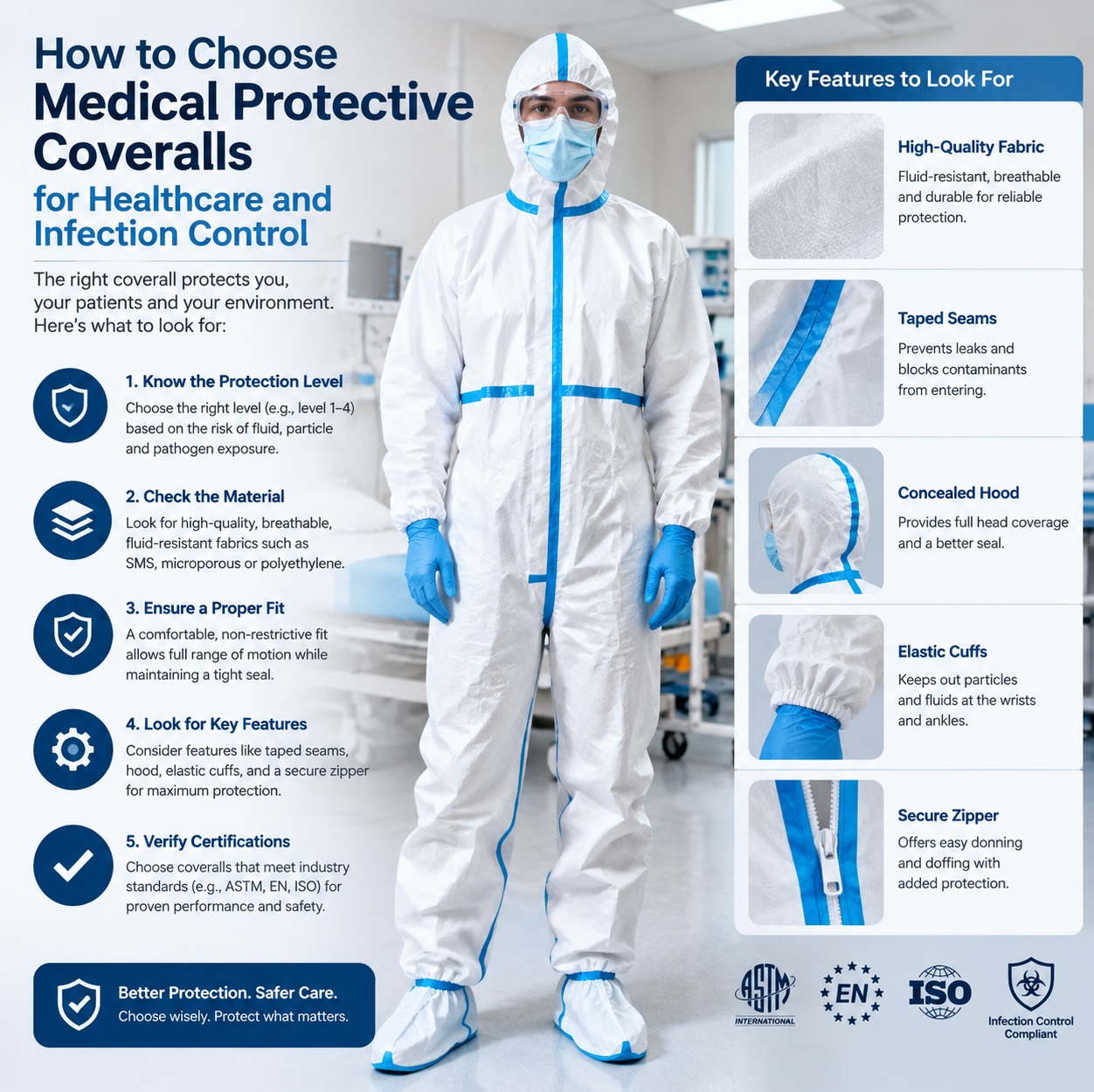
How to Choose Medical Protective Coveralls for Healthcare and Infection Control

Business - Aleksey Volos - October 23, 2026

Chemical Protective Coverall

A coverall that passes a splash test in a lab can still fail a nurse on an isolation ward if the zipper flap curls, the hood gaps, or the fabric turns into a sauna. That is the uncomfortable truth about medical protective coveralls: the spec sheet gets you into the conversation, but the details decide whether infection control holds up during a real shift.

If you are buying for a hospital, clinic, long-term care facility, or distribution program, here is what separates a smart purchase from a costly box of false confidence.

Start with the hazard, not the price tag.

The first question is not “What is cheapest?” It is “What am I protecting against?” Bloodborne pathogens, body fluids, respiratory droplets, airborne particles, contaminated dust, and chemical splashes all demand different levels of barrier. A coverall for general isolation may need a different construction than one for high-fluid surgery or decontamination. Match the coverall to the task. If the risk includes pressurized splashes or infectious agents, you want documented barrier performance, not a vague “medical grade” label.

Read the certifications like a clinician reads vitals.

A credible medical protective coverall should come with test data, not just a brochure. Look for EN 14126 for protection against infectious agents, and check which performance levels apply. Type 3, 4, 5, and 6 ratings tell you whether the garment resists liquid jets, liquid sprays, airborne solid particles, or limited liquid splashes. For blood and body fluid resistance, ASTM F1670 and F1671 matter. For viral penetration, ISO 16603 and ISO 16604 are worth asking about. In the United States, AAMI PB70 levels are common for surgical and isolation gowns, but coveralls often sit in a different regulatory lane. The point is simple: if the supplier cannot show you the test reports, keep looking.

Fabric is a trade-off, not a magic bullet.

SMS and SMMS fabrics offer breathability and decent barrier for many healthcare tasks. Microporous film laminates push barrier higher, but they can trap heat. Breathable films try to balance the two, and they often cost more. There is no perfect fabric for every setting. An emergency room during a heat wave has different comfort demands than a decontamination team handling chemical splash. Ask about hydrostatic head, moisture vapor transmission rate, and abrasion resistance. Then ask whether those numbers actually fit the way your staff will wear the coverall.

Seams, zippers, and flaps are where leaks happen.

A great fabric can be undone by a weak seam. Serged seams are common and economical. Bound seams are stronger and cleaner. Taped seams give the highest barrier for high-risk fluid exposure, because they seal the stitch holes. Check the zipper flap. Does it lie flat? Is it wide enough? Does it have an adhesive strip or storm flap? Look at the hood, cuffs, and ankles. Elastic should be snug without cutting off circulation. Thumb loops can keep sleeves in place during doffing, but only if they are comfortable. Small design choices decide whether a coverall protects or just looks protective.

Fit is infection control.

A coverall that is too loose can snag on equipment and expose skin during doffing. One that is too tight can rip at the shoulders or restrict movement. Healthcare workers come in every shape and size, so a real size range matters. Ask for a size chart that includes height and chest measurements, not just S, M, L, XL. If possible, run a donning and doffing trial with actual staff. The best coverall in the world is useless if someone cannot remove it without touching the contaminated outer surface.

Comfort keeps compliance alive.

If staff hate wearing a coverall, they will pull it down, reuse it, or skip it when they think no one is watching. Breathability, softness, and low noise matter more than many buyers admit. Heat stress is a real safety issue. Look for coveralls that manage moisture vapor while maintaining the barrier level you need. A slightly higher unit price can be cheaper than lost productivity, heat exhaustion, or a breach in protocol.

Check the boring supply chain stuff.

Consistency is a quiet superpower in PPE. Can the supplier deliver the same fit, fabric, and seam quality across batches? Is there lot traceability? Are the coveralls sterile or non-sterile, and does that match your use case? What is the shelf life? How are they packaged? Can you get documentation for audits? If you are buying at volume, ask about lead times, minimum order quantities, and whether sizes can be mixed in a carton. A great sample means nothing if the next shipment fits differently.

Ask for evidence, then test before you commit.

Request third-party test reports, batch records, and samples. Wear the sample. Doff the sample. Stretch, squat, and reach. Compare it against your current coverall. If the supplier gets defensive about data, that is your answer. If they send a sample that matches the spec exactly, that is a good sign. If they offer training materials for donning and doffing, even better.

The right medical protective coverall is not the one with the loudest marketing claim. It is the one that matches the hazard, fits the team, survives doffing, and comes with paperwork you can defend. If you are sourcing for healthcare and infection control, demand samples, demand data, and demand consistency. Your staff will not remember the price per unit. They will remember whether they felt protected

Continue Reading

Better Production Monitoring With an Experienced Proximity Sensor Supplier

Business - Aleksey Volos - October 19, 2026

Reliable production monitoring helps manufacturers maintain consistent output, improve equipment coordination, and achieve greater operational efficiency. Proximity sensors play an important role by detecting nearby objects without requiring direct physical contact. When these sensors are selected carefully and integrated effectively, production teams can monitor machine activities, track component positions, and maintain smooth manufacturing workflows.

Improving Real-Time Production Visibility

Accurate monitoring allows operators to understand equipment activity and respond efficiently to changing production requirements. Proximity sensors provide detection signals that support automated control and help maintain consistent operating sequences.

Key benefits include:

  • Reliable object detection
  • Accurate component positioning
  • Consistent machine monitoring
  • Improved production visibility
  • Faster operational responses
  • Better workflow coordination

These capabilities help manufacturers understand production conditions and maintain dependable processes throughout daily operations.

Choosing the Right Sensor Solutions

An experienced proximity sensor supplier can help manufacturers identify suitable sensing technologies according to their equipment requirements. Factors such as detection distance, sensing material, installation space, operating environment, and response speed influence sensor selection.

Careful selection supports dependable monitoring and effective equipment integration. Manufacturers exploring suitable sensing options can review available information through https://www.omch.com/tr/ while evaluating solutions for their production needs.

Important selection considerations include:

  • Appropriate sensing range
  • Reliable detection accuracy
  • Suitable sensor dimensions
  • Compatible output configurations
  • Consistent response performance
  • Convenient installation requirements

Matching sensor characteristics with operational demands helps create a strong foundation for efficient production monitoring.

Supporting Equipment Performance

Proximity sensors help automated machinery identify the presence or position of components during different production stages. These signals can support material handling, assembly operations, packaging activities, and equipment positioning.

Reliable sensing contributes to more predictable machine behavior and better coordination between connected processes.

Practical applications include:

  • Detecting components on conveyor systems
  • Monitoring moving machine parts
  • Confirming object positions during assembly
  • Supporting automated packaging sequences
  • Identifying materials during handling
  • Coordinating equipment movement

With appropriate sensor placement, manufacturers can improve process consistency and maintain better control over production activities.

Strengthening Quality Control

Consistent detection helps production teams maintain established operating sequences and identify whether components have reached expected positions. Sensor-based monitoring can support quality-focused procedures by providing useful signals for automated inspection and process verification.

Quality-related advantages include:

  • Repeatable detection performance
  • Consistent assembly positioning
  • Improved process verification
  • Reliable component identification
  • Better production sequence control
  • Enhanced manufacturing consistency

These improvements support dependable output while helping teams maintain organized and measurable production standards.

Simplifying Maintenance and Integration

Well-selected sensors can contribute to efficient maintenance planning and straightforward equipment integration. Supplier guidance can help manufacturers understand installation requirements, connection options, and operating specifications before introducing sensors into existing machinery.

Useful considerations include:

  • Clear technical specifications
  • Convenient mounting arrangements
  • Accessible connection points
  • Routine performance inspections
  • Suitable environmental protection
  • Consistent maintenance schedules

Thoughtful integration helps manufacturers maintain reliable detection and support long-term equipment performance.

Building Smarter Production Operations

Better production monitoring begins with dependable sensing, careful planning, and suitable technical support. Working with an experienced proximity sensor supplier helps manufacturers identify practical solutions for their machinery and production objectives.

By combining accurate detection with organized monitoring procedures, manufacturers can improve workflow coordination, strengthen quality control, and support efficient resource utilization. These advantages create a reliable foundation for continued productivity, operational improvement, and sustainable manufacturing progress.

Continue Reading

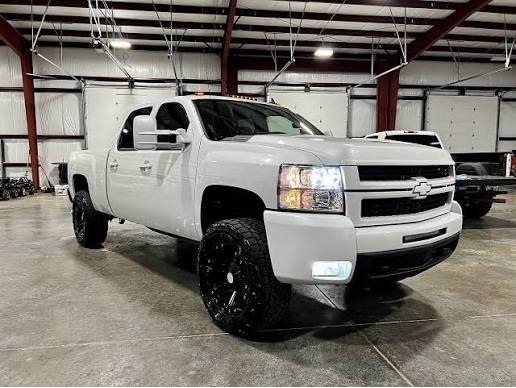
Personalized Suspension Solutions Help Drivers Shape Their Ideal Vehicles

Business - Aleksey Volos - October 14, 2026

Every driver has unique preferences when it comes to comfort, appearance, handling, and vehicle capability. Suspension customization offers an opportunity to bring these preferences together through carefully selected components and suitable configurations. Whether the goal is a distinctive stance, improved ride comfort, or greater versatility for recreational driving, personalized suspension solutions help create a vehicle that reflects individual priorities. Thoughtful choices can enhance everyday enjoyment while supporting reliable performance and practical functionality.

Customized Ride Height Creates A Distinctive Appearance

Ride height influences both a vehicle’s visual character and its practical capabilities. Selecting a suitable suspension configuration allows drivers to achieve a personalized appearance while considering clearance, handling, and compatibility with other vehicle components.

  • Elevated stance: Compatible lift systems create a taller profile with a distinctive appearance.
  • Balanced proportions: Suitable ride height complements wheel sizes and exterior styling.
  • Improved clearance: Appropriate configurations can provide additional space beneath the vehicle.
  • Personalized character: Different setups help reflect individual design preferences.
  • Practical functionality: Careful selection balances appearance with everyday driving requirements.

Comfort And Handling For Everyday Enjoyment

A well-matched suspension system contributes to how a vehicle responds to bumps, turns, and changing road surfaces. Choosing components according to driving habits helps create a balanced experience that supports comfort and predictable handling.

  • Effective shock absorption: Quality dampers help manage movement over uneven surfaces.
  • Balanced cornering: Suitable components help control body movement during turns.
  • Smoother travel: Properly selected springs and dampers support ride comfort.
  • Consistent road contact: Functional suspension components help maintain tire contact.
  • Responsive handling: Compatible upgrades contribute to predictable vehicle behavior.

Components Selected For Individual Needs

Custom Wheels And Tires

Personalized suspension solutions work best when each component suits the vehicle and its intended use. Understanding available options helps drivers make informed decisions that support durability, compatibility, and practical performance.

  • Coil springs: Appropriate spring rates help determine ride height and suspension response.
  • Shock absorbers: Suitable dampers help control bouncing and unwanted movement.
  • Lift kits: Compatible systems can increase ground clearance when properly installed.
  • Control components: Suitable supporting parts help maintain correct suspension geometry.
  • Adjustable systems: Certain configurations allow ride characteristics to be tailored to specific preferences.

Professional Installation Supports Reliable Results

Quality components deliver their intended benefits when they are installed and configured correctly. Professional guidance helps ensure that selected upgrades work with the vehicle’s existing systems and meet relevant safety requirements.

  • Compatibility checks: Confirm specifications before selecting replacement components.
  • Correct installation: Proper fitting helps maintain reliable system operation.
  • Wheel alignment: Appropriate adjustments support stable handling and even tire wear.
  • Routine inspections: Regular checks help identify wear and maintain performance.
  • Preventive maintenance: Timely servicing supports dependable long-term use.

Bringing A Personalized Vision To Life

Creating an ideal vehicle involves balancing personal style with comfort, functionality, and dependable performance. Exploring https://www.blackjackspeedshop.com/new-braunfels/lift-kits-and-suspension/ can help drivers discover suspension options suited to their goals. With careful planning, compatible components, and professional installation, suspension improvements can make a vehicle feel more personal and versatile. The right combination supports individual expression while helping drivers enjoy comfortable journeys, confident handling, and a vehicle that reflects their automotive passion.

Continue Reading

Accessible Place Parking Makes Shopping And Events Easier For Guests

Business - Aleksey Volos - October 10, 2026

Convenient parking arrangements help guests begin their shopping trips and event visits with confidence. Clear directions, accessible spaces, and organized entry points make arrival simpler, allowing visitors to spend more time enjoying their plans and less time managing parking concerns.

  • Clearly marked parking spaces for easy identification
  • Convenient access to shopping and event entrances
  • Well-organized vehicle movement and pedestrian routes
  • Helpful directional signs throughout parking areas
  • Comfortable arrival experiences for individuals and families

Improve Accessibility for Everyone

Accessible parking contributes to a welcoming environment where visitors with different mobility needs can move around more comfortably. Thoughtful layouts and suitable pathways support independence while making everyday outings and special gatherings more enjoyable.

  • Designated accessible parking spaces for eligible visitors
  • Wider spaces that provide room for entry and exit
  • Smooth pathways connecting parking areas to entrances
  • Convenient access to elevators and pedestrian crossings
  • Clearly visible signs that guide visitors effectively

Make Shopping Trips More Enjoyable

A positive shopping experience begins before guests enter the building. Convenient parking helps shoppers carry their belongings, manage their schedules, and move between their vehicles and shopping destinations with greater ease.

  • Easy-to-follow directions toward available spaces
  • Convenient routes for carrying shopping bags
  • Parking options suited to different visitor needs
  • Organized areas that simplify vehicle location
  • Comfortable access for families and older visitors

These features help create a relaxed atmosphere where shoppers can explore stores, discover products, and enjoy their visits without unnecessary distractions.

Support Stress-Free Event Attendance

Events often bring together large groups of people arriving within a limited period. Well-planned parking arrangements help improve traffic flow, simplify navigation, and allow guests to reach their destinations with greater confidence.

  • Clearly identified entry and exit routes
  • Organized traffic flow during busy arrival periods
  • Accessible pathways leading toward event entrances
  • Adequate lighting for improved visibility
  • Convenient parking information available before departure

Preparing in advance can make event attendance smoother. Visitors who review parking guidance and allow enough travel time can approach their plans with greater peace of mind.

Encourage Safer and Smoother Movement

Thoughtful parking design supports a comfortable environment for drivers and pedestrians alike. Clearly separated walking routes, visible signs, and well-maintained surfaces help visitors navigate parking facilities more confidently.

  • Marked pedestrian crossings in suitable locations
  • Clean and unobstructed walking pathways
  • Visible directional signs at important junctions
  • Well-maintained surfaces for easier movement
  • Organized vehicle circulation around busy areas

Plan Ahead for a Better Visit

Preparation helps guests make the most of convenient parking facilities. Reviewing available information before leaving home can reduce uncertainty and support a more enjoyable experience from arrival to departure. Visitors can explore https://www.aplusexpo.com/mccormick-place-parking-guide/ for helpful parking guidance when planning an outing or event visit. Accessible parking makes shopping and events more welcoming, convenient, and enjoyable. With thoughtful facilities and simple preparation, guests can arrive comfortably, move around confidently, and focus on creating positive experiences throughout their visits.

Continue Reading

Comprehensive Training Supports Better Understanding Of Protective Requirements

Business - Aleksey Volos - October 1, 2026

Effective safety knowledge gives employees the confidence to understand protective requirements and apply them responsibly during daily activities. Comprehensive training combines clear instruction, practical examples, and continuous learning to strengthen awareness and encourage positive workplace practices.

Building Strong Protective Awareness

Protective requirements become easier to understand when training explains their purpose and practical value. Clear learning activities help participants recognize how protective measures contribute to safer, more organized, and confident work practices.

  • Understand essential protective requirements
  • Recognize the purpose of safety measures
  • Develop awareness of workplace responsibilities
  • Strengthen confidence in applying safety principles
  • Encourage consistent attention to protective practices

Connecting Knowledge With Practical Tasks

Practical education helps learners connect protective requirements with everyday workplace activities. Guided examples can make important concepts easier to remember while encouraging thoughtful preparation before tasks begin.

  • Apply safety knowledge to routine activities
  • Identify suitable protective measures
  • Practice careful task preparation
  • Recognize important safety considerations
  • Encourage responsible workplace decisions

Developing Machinery Safety Knowledge

Machinery-related activities require clear awareness of protective practices and responsible operating procedures. Machineveiligheid training Haarlem can support structured learning that helps participants build useful knowledge and approach machinery tasks with greater confidence.

  • Understand fundamental machinery safety principles
  • Recognize protective features and responsibilities
  • Encourage careful preparation before machine operation
  • Support awareness of equipment-related hazards
  • Promote consistent safe working habits

Strengthening Risk Assessment Skills

Protective requirements are closely connected with effective risk awareness. Comprehensive training can help employees identify potential hazards, evaluate workplace conditions, and consider appropriate preventive actions before beginning activities.

  • Improve hazard recognition skills
  • Develop structured risk assessment awareness
  • Consider preventive measures before tasks
  • Evaluate changing workplace conditions
  • Encourage proactive safety planning

Encouraging Proper Protective Practices

Training can reinforce the importance of following established safety procedures consistently. When employees understand how protective practices support their work, they can make more informed choices and contribute positively to everyday safety.

  • Follow appropriate safety procedures
  • Use protective measures responsibly
  • Maintain awareness during workplace activities
  • Communicate safety concerns clearly
  • Support positive safety habits

Improving Communication And Teamwork

Protective requirements become more effective when teams understand and communicate them clearly. Learning together can encourage cooperation, shared awareness, and consistent application of safety practices across different responsibilities.

  • Share safety information clearly
  • Discuss protective requirements constructively
  • Encourage participation in safety activities
  • Support cooperation between team members
  • Promote shared responsibility for safety

Supporting Continuous Learning

Regular learning opportunities help employees retain important information and remain confident when applying protective requirements. Continuous development also encourages individuals to strengthen their knowledge as workplace activities evolve.

  • Review key protective concepts regularly
  • Reinforce important safety responsibilities
  • Encourage ongoing knowledge development
  • Learn from practical workplace examples
  • Build lasting confidence through repetition

Creating A Positive Safety Culture

A knowledgeable workforce can contribute to a workplace environment where protective requirements are understood, respected, and applied consistently. Comprehensive training supports responsible decision-making while encouraging everyone to participate actively in positive safety practices.

  • Promote awareness across daily activities
  • Encourage prevention-focused thinking
  • Strengthen confidence in safety decisions
  • Support consistent workplace practices
  • Build a lasting commitment to safety

Comprehensive training provides valuable opportunities to develop practical knowledge, protective awareness, and confident decision-making. Through clear instruction, meaningful practice, and continuous improvement, employees can better understand essential requirements and contribute to a safer, more responsible working environment.

Continue Reading

Pvc Roofing Options Support Dependable Waterproofing And Lasting Durability

Business - Aleksey Volos - September 30, 2026

Reliable waterproofing plays an important role in maintaining a strong and comfortable structure. PVC roofing options provide a practical solution by combining flexible installation, durable performance, and effective moisture protection. Their smooth surface and dependable construction can support long-term roofing performance across a variety of building requirements.

Strong Waterproofing Creates Reliable Protection

PVC roofing membranes are designed to create a continuous protective surface. Properly installed seams and carefully finished edges help create dependable resistance against moisture while supporting the overall condition of the roof.

  • Helps prevent unwanted water penetration
  • Creates a consistent protective membrane
  • Supports dependable moisture resistance
  • Protects underlying roofing components
  • Encourages long-term waterproofing performance

Durable Materials Support Longevity

PVC roofing provides a durable surface designed to withstand regular environmental exposure. Its material characteristics can help maintain reliable performance while reducing unnecessary concerns about everyday surface wear.

  • Supports long-lasting roof performance
  • Helps resist routine surface wear
  • Maintains consistent material quality
  • Provides dependable exterior protection
  • Contributes to extended roofing service life

Flexible Installation Supports Versatile Designs

Roofing Contractors

The adaptable nature of PVC roofing makes it suitable for different roof configurations. Professional installation can accommodate various layouts while maintaining effective coverage and practical functionality.

  • Supports different roof designs
  • Adapts to suitable surface configurations
  • Allows efficient membrane placement
  • Provides consistent coverage
  • Supports practical installation requirements

Seam Quality Enhances Waterproofing

Carefully formed seams are an important part of a dependable membrane system. Professional workmanship helps create secure connections that contribute to a continuous and reliable waterproofing layer.

  • Creates strong membrane connections
  • Supports consistent seam quality
  • Helps maintain continuous protection
  • Reduces opportunities for moisture entry
  • Encourages dependable long-term performance

Sun Exposure Resistance Adds Value

Roofing surfaces regularly experience sunlight and temperature changes. PVC roofing can provide a durable protective layer that supports consistent performance while helping maintain the roof’s overall condition.

  • Supports resistance to sunlight exposure
  • Helps maintain surface durability
  • Handles regular temperature changes
  • Preserves consistent roofing performance
  • Contributes to long-term protection

Easy Maintenance Supports Efficiency

A practical roofing system should be straightforward to maintain. Regular inspections and basic surface care can help preserve the membrane’s condition and support reliable waterproofing throughout its service life.

  • Simplifies routine roof inspections
  • Supports straightforward surface maintenance
  • Helps identify areas for timely attention
  • Preserves membrane performance
  • Encourages long-term roofing efficiency

Clean Appearance Enhances Exterior Appeal

PVC roofing can provide a neat and consistent surface that complements a well-maintained structure. Its uniform appearance adds a polished quality while delivering important protective benefits.

  • Creates a clean roof surface
  • Provides consistent visual coverage
  • Complements modern building designs
  • Supports a well-maintained appearance
  • Combines function with visual appeal

Choosing a Dependable PVC Roofing Solution

Selecting the right roofing system involves considering waterproofing requirements, roof design, installation quality, and long-term performance. Professional evaluation can help ensure the selected solution aligns with the structure’s specific needs.

  • Evaluate waterproofing requirements
  • Consider roof configuration
  • Prioritize quality installation
  • Plan for routine maintenance
  • Focus on long-term durability

Supporting Lasting Roofing Performance

PVC roofing options combine waterproofing, durability, flexibility, and practical maintenance to create a dependable roofing solution. Visit Website can serve as a simple call to action for readers seeking additional information about suitable roofing options. With careful planning and professional installation, PVC roofing can provide lasting protection against moisture while supporting structural comfort and durability. Its combination of reliable performance and practical maintenance makes it a valuable choice for long-term roofing requirements.

Continue Reading

Helpful Inspection Services For Residential Drain Lines

Business - Aleksey Volos - September 28, 2026

Well-maintained drain lines support a cleaner, more comfortable, and more efficient home. Professional inspection services provide valuable insight into the condition of residential drainage systems while helping homeowners understand how their pipes are performing. With careful observation and modern inspection techniques, hidden areas can be reviewed with greater clarity and confidence.

Clear Views Into Drain Lines

Inspection services make it easier to understand what is happening inside pipes without relying only on surface-level signs. A detailed assessment can provide useful information about the condition and flow of residential drain lines.

  • Identifies areas that may benefit from additional attention
  • Helps reveal internal pipe conditions
  • Supports informed maintenance planning
  • Provides clearer insight into drainage performance
  • Encourages proactive care for household plumbing

When homeowners understand their drainage systems better, they can make maintenance decisions with greater confidence. Clear information can also help organize future service needs and support long-term system performance.

Benefits Of Residential Drain Inspections

Regular inspections can contribute to a more dependable drainage experience. They offer an opportunity to review pipe conditions before routine concerns become more disruptive.

paducah plumbing

  • Supports early awareness of developing conditions
  • Helps evaluate drainage flow
  • Makes hidden pipe areas easier to understand
  • Assists with maintenance planning
  • Provides useful information for property care
  • Encourages timely attention to drainage needs

For homeowners seeking dependable guidance, choosing paducah plumbing services can provide an organized approach to understanding residential drain lines and maintaining their overall condition.

Helpful Inspection Techniques

Modern inspection approaches are designed to provide useful visual information from inside drainage systems. These methods can reduce uncertainty by offering a closer look at areas that are difficult to access directly.

  • Interior pipe viewing can improve visibility
  • Detailed observations can support accurate evaluations
  • Hard-to-reach sections can receive focused attention
  • Inspection findings can help guide maintenance decisions
  • Visual information can make service discussions clearer

This approach allows homeowners to gain a stronger understanding of their drainage infrastructure while supporting practical and efficient maintenance planning.

Supporting Long-Term Drainage Care

A thoughtful inspection can become an important part of ongoing residential plumbing care. Understanding pipe conditions helps homeowners create maintenance routines that support smooth and reliable drainage.

  • Regular reviews can promote greater awareness
  • Inspection information can support preventative maintenance
  • Clear findings can simplify future planning
  • Drainage performance can be monitored more confidently
  • Homeowners can stay informed about hidden pipe areas

Building Confidence Through Better Information

Residential drain inspections offer a practical way to gain clearer knowledge about essential household systems. By combining careful evaluation with detailed observations, these services can make drainage maintenance feel more organized and manageable.

  • Encourages informed household decisions
  • Supports dependable drainage management
  • Helps prioritize maintenance activities
  • Promotes greater confidence in pipe care
  • Creates a useful foundation for future inspections

With clear inspection insights and proactive maintenance, residential drain lines can receive thoughtful attention that supports dependable performance, household comfort, and lasting plumbing efficiency.

Continue Reading