
Modern printing operations use different technologies to meet varying production goals. Two widely used approaches are offset and flexographic printing, with each offering useful capabilities for specific materials, volumes, and design requirements. Understanding https://www.ketegroup.com/flexo-printing-vs-offset-printing/ can help readers explore how these processes differ while considering the practical needs of a project.
Offset printing transfers an image from a plate to a rubber blanket before applying it to the printing surface. This indirect process supports sharp graphics, detailed images, smooth gradients, and consistent results on suitable paper and board materials. It is particularly useful when visual precision and refined reproduction are important.
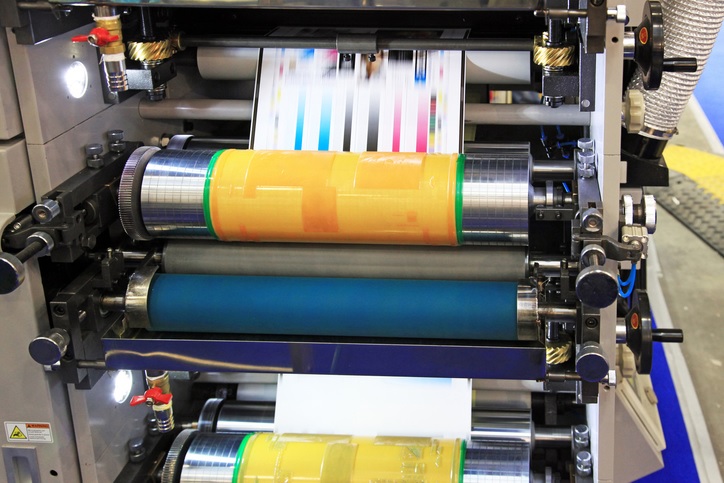
Flexographic printing uses flexible relief plates to transfer ink directly onto the substrate. Its continuous rotary operation provides strong production efficiency and supports a broad selection of materials, including paper, films, foil, labels, and packaging substrates.
Key Strengths Of Offset Printing
Offset printing can be valuable for projects where fine detail and polished presentation are central priorities. Its controlled image transfer makes it suitable for detailed graphics, text, illustrations, and photographic reproduction.
Important advantages include:
- Excellent reproduction of fine details and smooth tonal transitions
- Consistent color results across suitable print runs
- Strong compatibility with flat paper and board materials
- Effective support for detailed commercial and packaging designs
- Reliable results for projects requiring refined visual presentation
Key Strengths Of Flexographic Printing
Flexographic printing brings versatility and efficient continuous production to many packaging applications. Its flexible plates and rotary operation allow manufacturers to work with different substrates while maintaining productive workflows.
Notable benefits include:
- High-speed continuous printing capabilities
- Compatibility with numerous flexible and packaging materials
- Efficient production for medium and long runs
- Flexible support for labels, films, paper, and corrugated materials
- Opportunities for integrated finishing and converting processes
Choosing A Method For Production Requirements
The most suitable printing process depends on the material, artwork, quantity, production schedule, and finishing requirements. Offset can provide strong results when intricate graphics and controlled image reproduction are priorities. Flexo can support projects that emphasize material versatility, continuous production, and efficient packaging workflows.
Considering these factors before production helps create a practical balance between quality, speed, material compatibility, and workflow efficiency.
Supporting Efficient Printing Decisions
Both printing methods contribute valuable capabilities to modern production. By examining substrate requirements, design complexity, run length, and finishing needs, manufacturers can select an approach that aligns closely with their objectives. This informed comparison encourages efficient planning and supports consistent, high-quality printing outcomes across diverse applications.